The PolyU Digital University Collection in the Digital Collections Portal is a rich repository covering not only the history of The Hong Kong Polytechnic University, but also Hong Kong’s industrial development and academic fields. It highlights PolyU’s strong ties with local industries and serves as a useful resource for both researchers and the wider community. Since its launch in 2022, the Library has continued to expand the collection by capturing and digitising related publications, adding over 1,000 items to date.
In this issue, we feature selected digitised materials from the collection that provide insights into building and construction history, as well as the development of Hong Kong’s city and urban landscape.
- The Building and Real Estate Department : 80 years of History 1937 – 2017
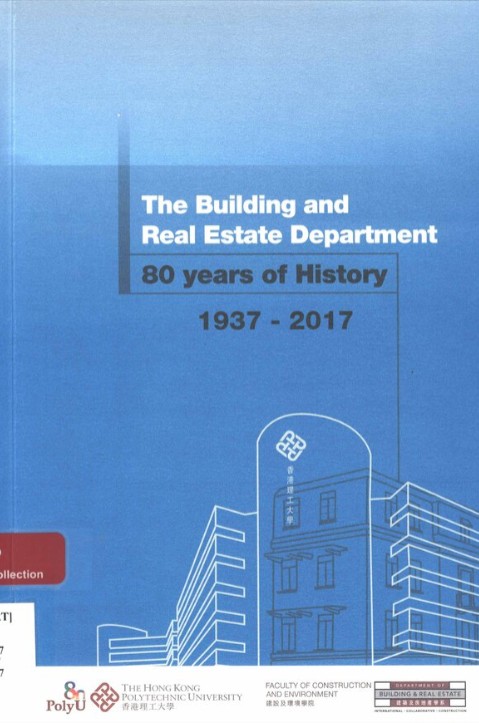 PolyU’s Department of Building and Real Estate, which traces its roots back to the Building Department of the Government Trade School in 1937, reflects the University’s deep connection to the city’s construction sector. The collection offers historical insights into the evolution of this vital industry. PolyU’s Department of Building and Real Estate, which traces its roots back to the Building Department of the Government Trade School in 1937, reflects the University’s deep connection to the city’s construction sector. The collection offers historical insights into the evolution of this vital industry.
|
- Construction 1977-78
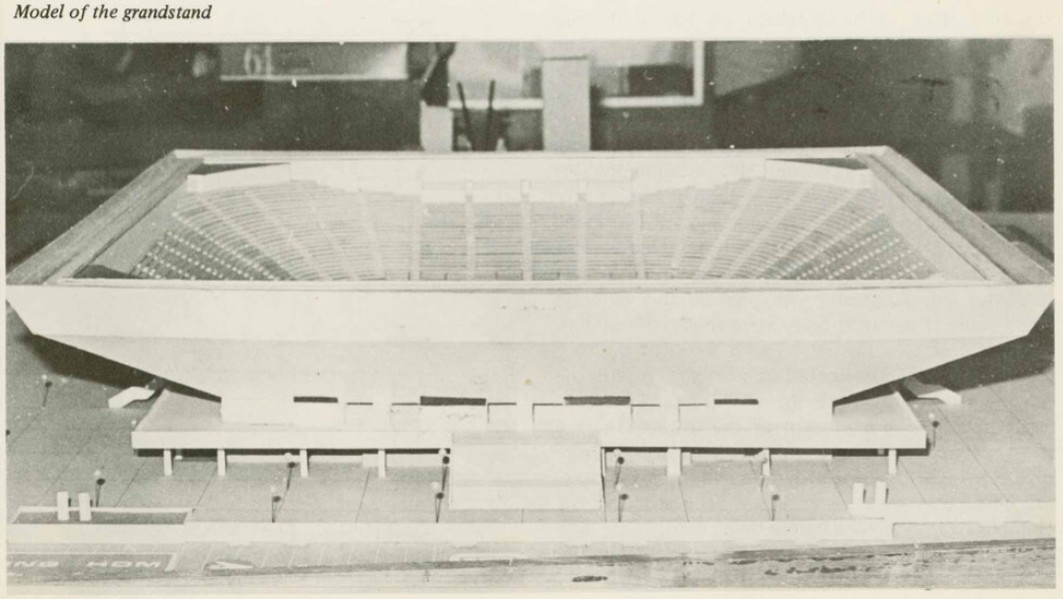
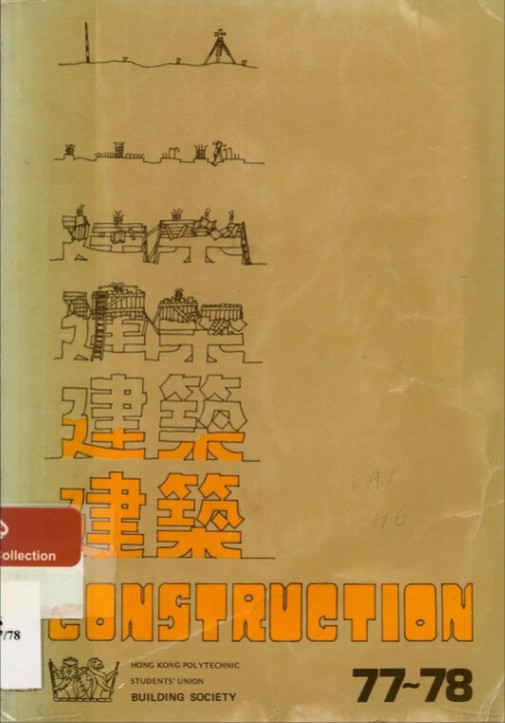 Iconic infrastructure projects near the PolyU campus, such as the Hung Hom Coliseum, built in the 1980s, and the Cross-Harbour Tunnel, constructed in the 1970s, are prominently featured in the collection. These examples offer detailed accounts of the innovative methods and engineering advancements of their time, showcasing the construction processes alongside historical photographs spanning over decades. Iconic infrastructure projects near the PolyU campus, such as the Hung Hom Coliseum, built in the 1980s, and the Cross-Harbour Tunnel, constructed in the 1970s, are prominently featured in the collection. These examples offer detailed accounts of the innovative methods and engineering advancements of their time, showcasing the construction processes alongside historical photographs spanning over decades.
-
Hung Hom Coliseum
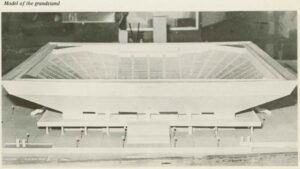 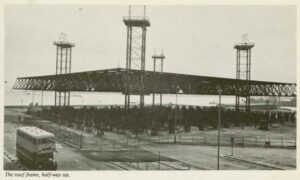
Construction Sequence:
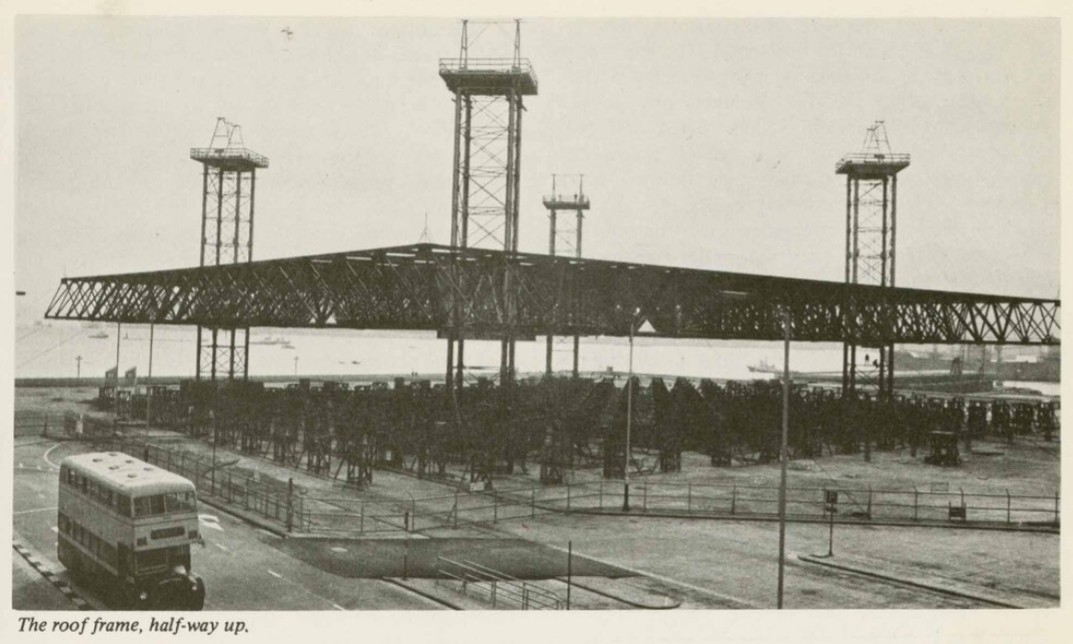
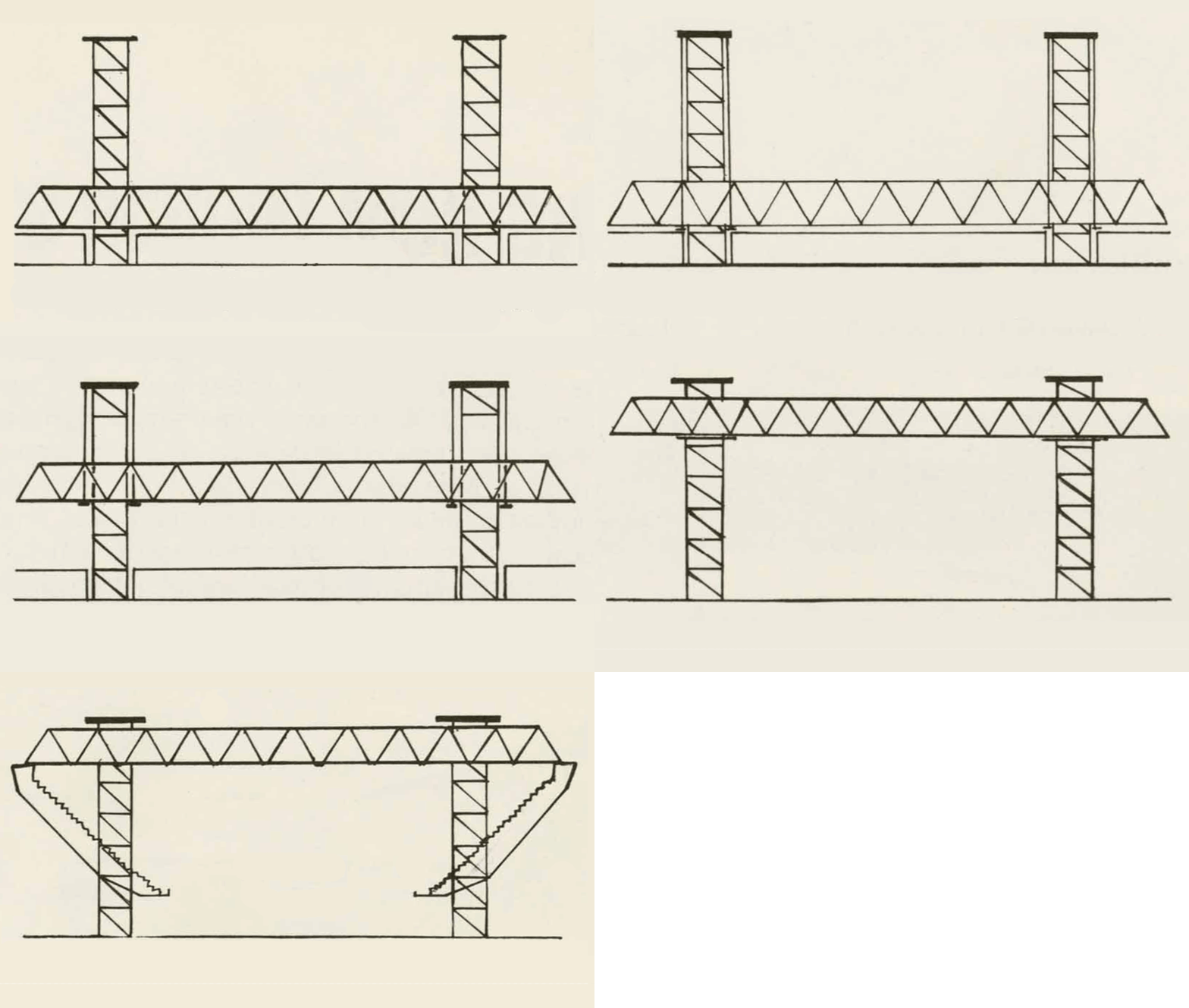
The process of lifting and installing a roof frame begins with erecting the tower and top platform, followed by attaching jacks and the lifting assembly to enable controlled elevation. The roof frame is then lifted in increments of four or five steps, with the first tier of bracing added for support at each stage, while the bracing immediately above the roof frame is removed. This process is repeated until the roof frame reaches the top of the tower. Finally, seats are constructed to securely support the roof frame in its final position, ensuring stability and structural integrity.
-
Cross-Harbour Tunnel
Construction Sequence:
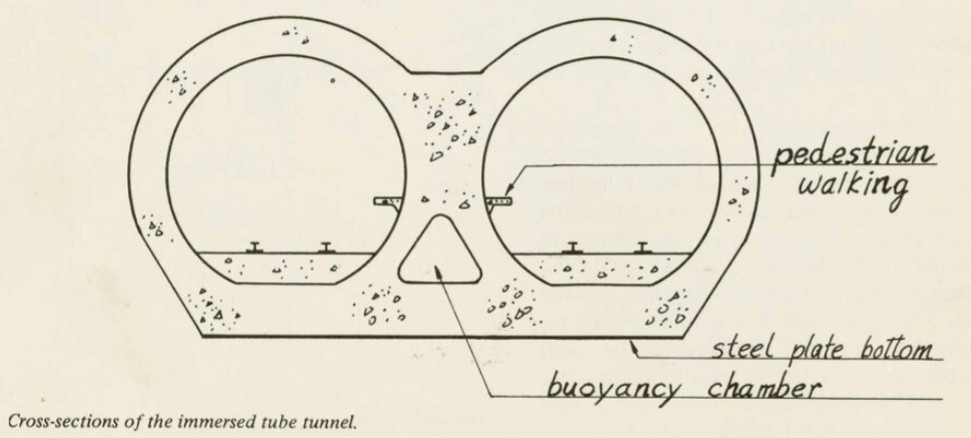
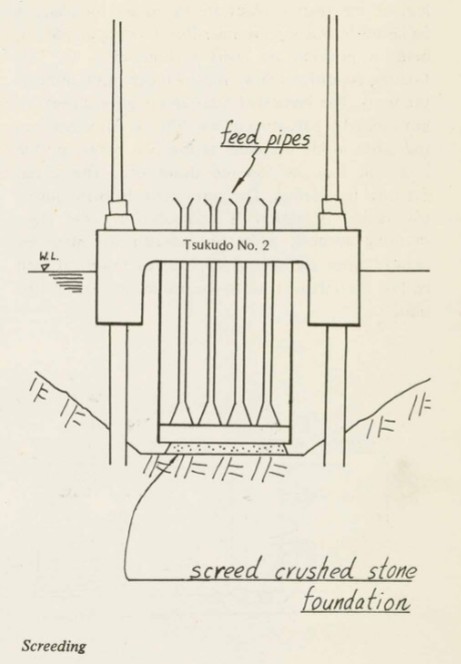
The immersed tube construction method was utilised, comprising twin-track units, each 100 meters in length, as illustrated below.
 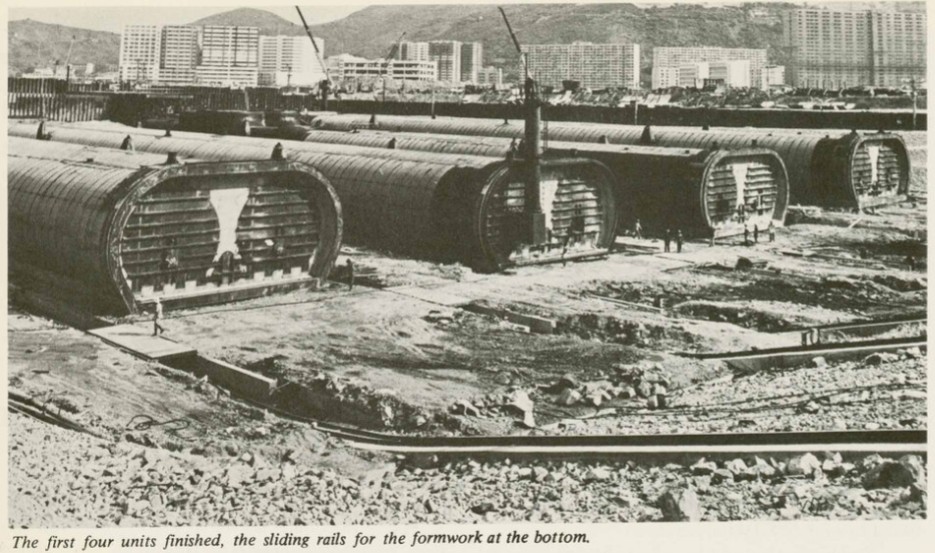
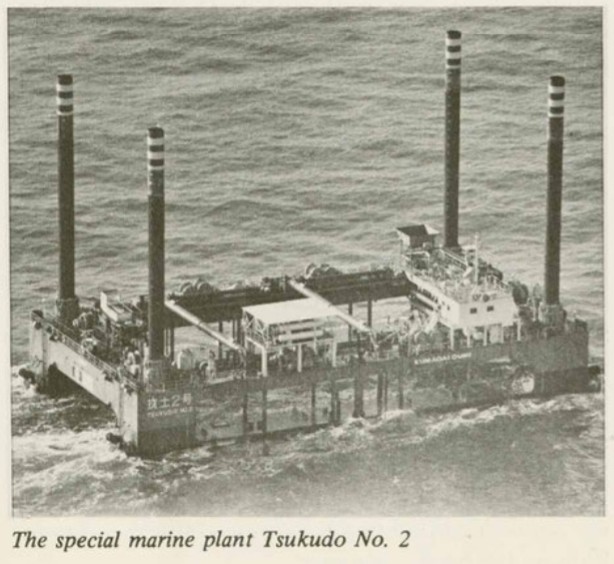
These units were placed on a screeded harbour floor to form the foundation and were submerged using a specialised marine vessel called Tsukudo No. 2.
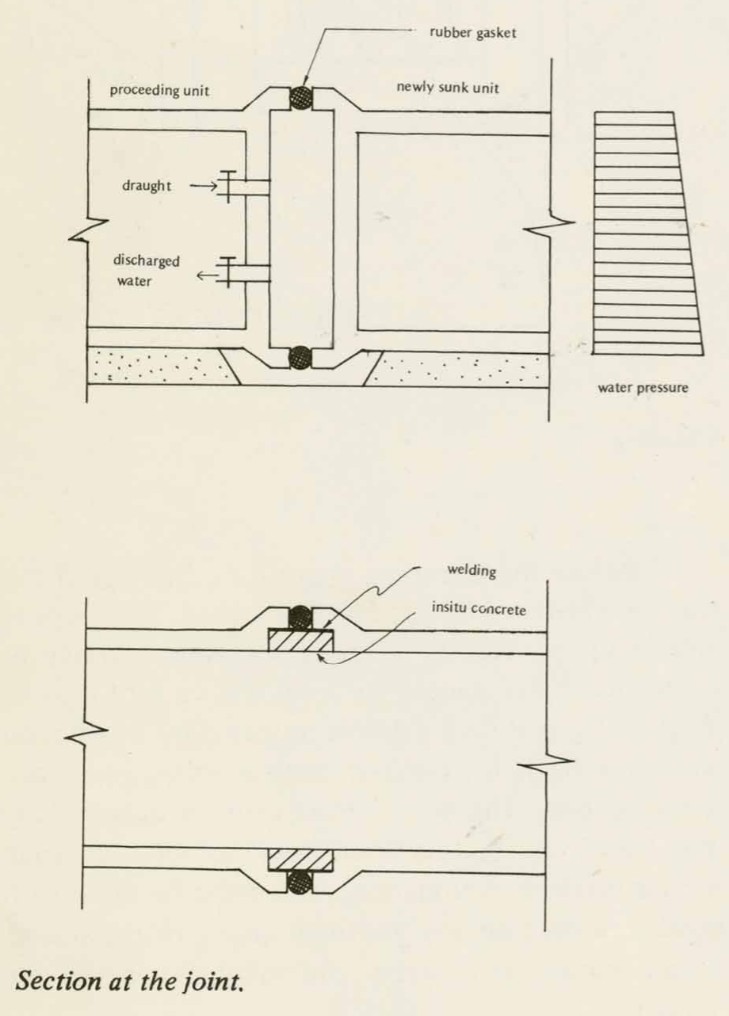
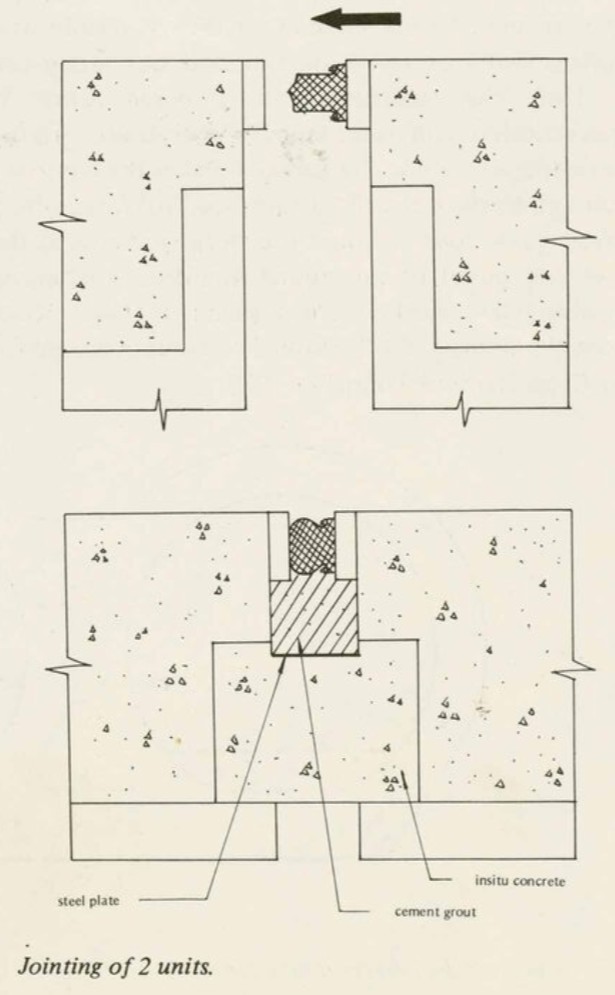
The units were joined together sequentially at their ends using couplers, welding, and in-situ concrete. After pumping out the water inside each newly submerged unit, the process continued until all units were connected. Finally, the tunnel was fully protected with rock armouring.
|
Visit the Digital Collections Portal for more featured publications related to Hong Kong industries:
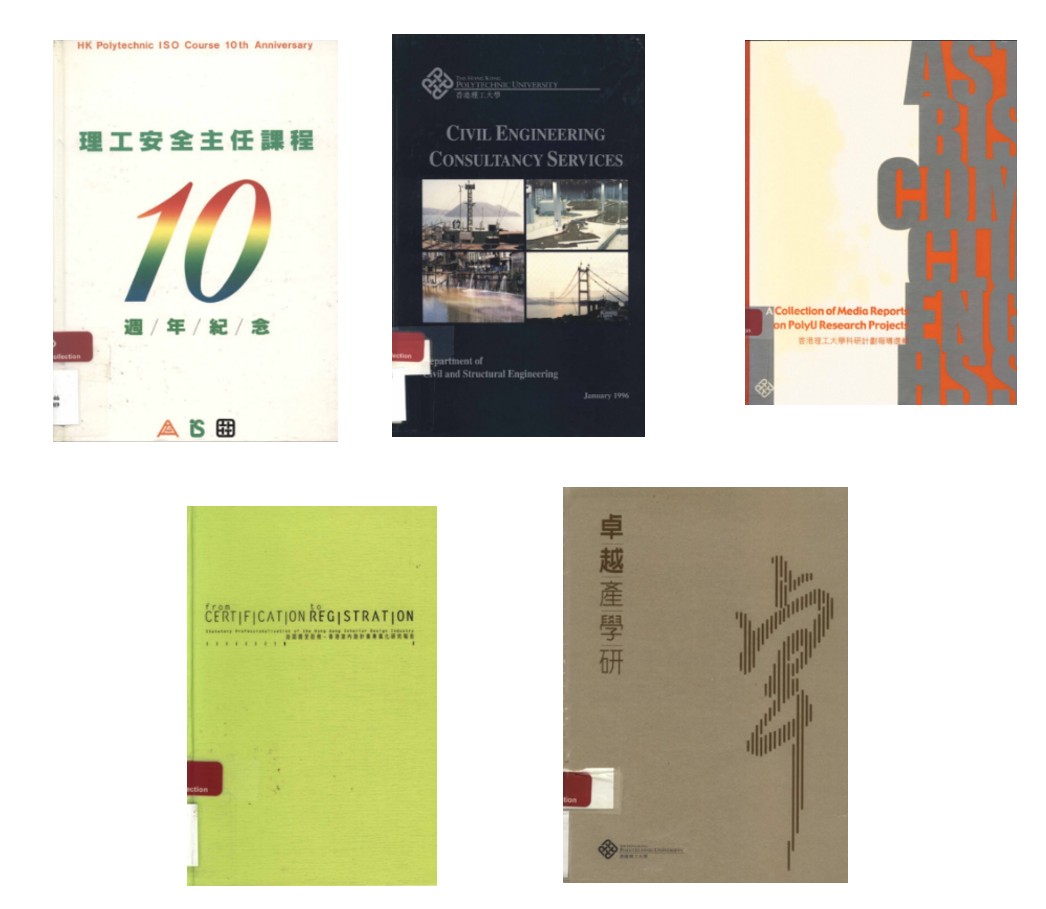
• HK Polytechnic ISO Course 10th Anniversary, 1989
• Civil Engineering Consultancy Services, 1996
• A Collection of Media Reports on PolyU Research Projects, 2000
• From Certification to Registration : Statutory Professionalisation of the Hong Kong Interior Design Industry, 2008
• 卓越產學研, 2010