


Spotlight on Innovation: PolyU Library’s Latest AI Advancements
January 7, 2026
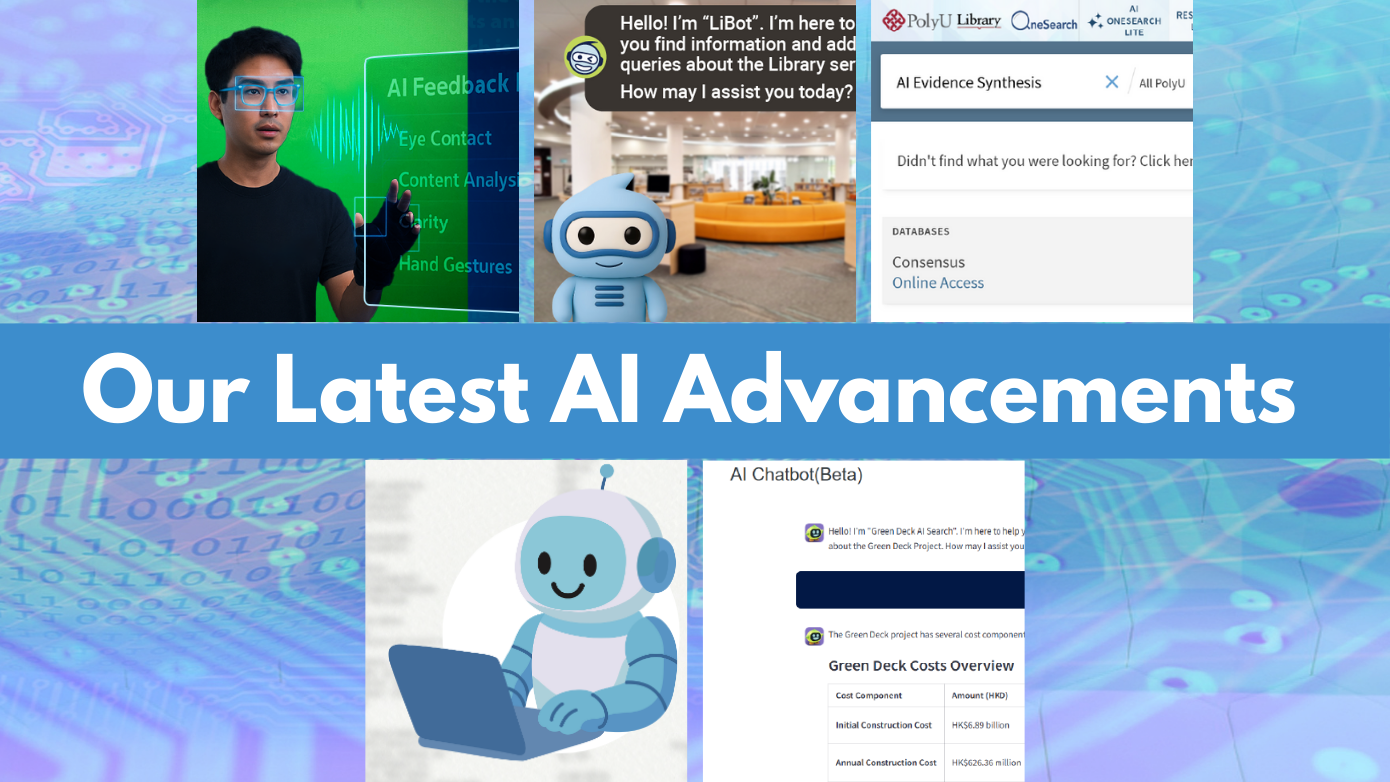
This article highlights five exciting recent AI projects in Library, showcasing our commitment to leveraging AI as a powerful transformative tool for user services, knowledge discovery, and operational efficiency. By adopting a forward-thinking, digital-first approach, we continue to expand our innovative capabilities and enhance user experiences.
-
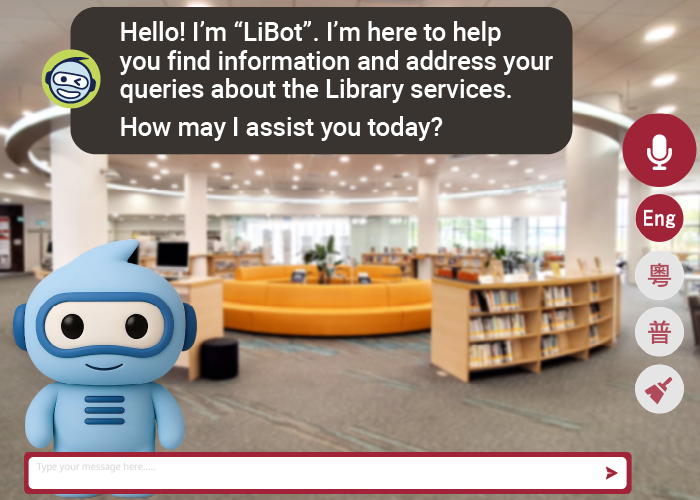
LiBot Virtual Avatar
Our LiBot Virtual Avatar now supports natural voice conversations in Cantonese, Putonghua and English in addition to text input. This upgrade enables multilingual assistance for enquiries, making library help more accessible and human-like. You can try the enhanced LiBot service at the Podium Service Counter or at the kiosk near the Library entrance.
-
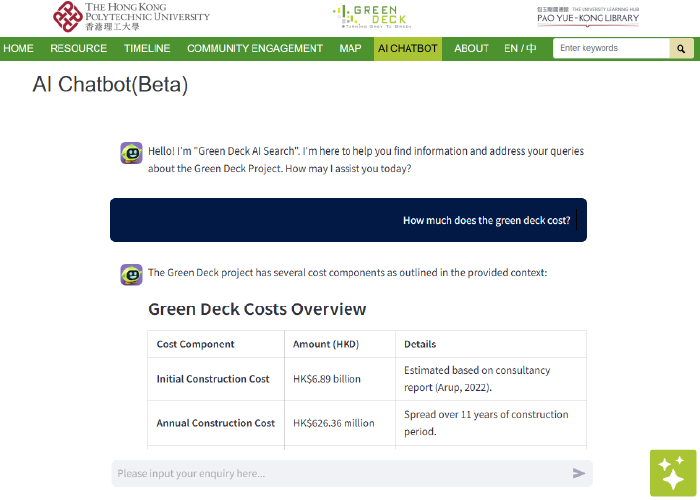
AI-Enhanced Search for Green Deck Digital Humanities Project
Launched in October 2025, this AI-powered system intelligently connects fragmented multimedia and contextual materials across collections related to PolyU’s proposed Green Deck Project. It dramatically improves retrieval relevance, uncovers hidden insights, and reveals new relationships across videos, presentations, and images. With this tool, you can easily explore the Green Deck’s rich digital resources, gaining valuable insights to support your learning and research.
-
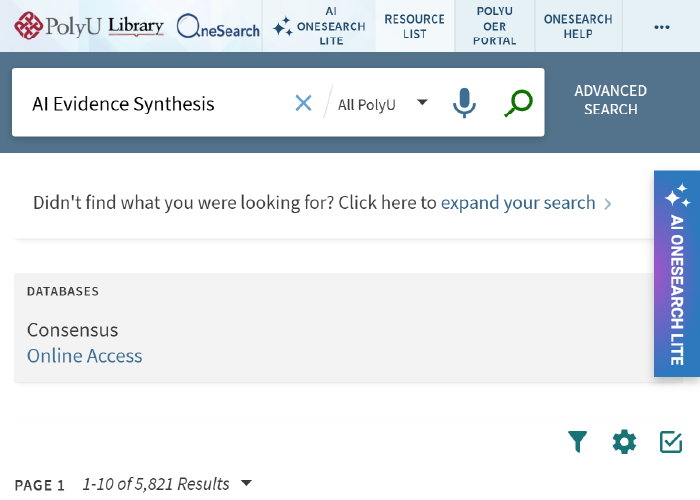
AI-Powered Resource Recommender in Library OneSearch
Our new AI-powered Primo Resource Recommender automatically extracts keywords from database descriptions to deliver precise, context-aware subject suggestions directly in the Library OneSearch discovery platform. This enhancement accelerates resource discovery and guides you to the most relevant materials faster than ever.
-
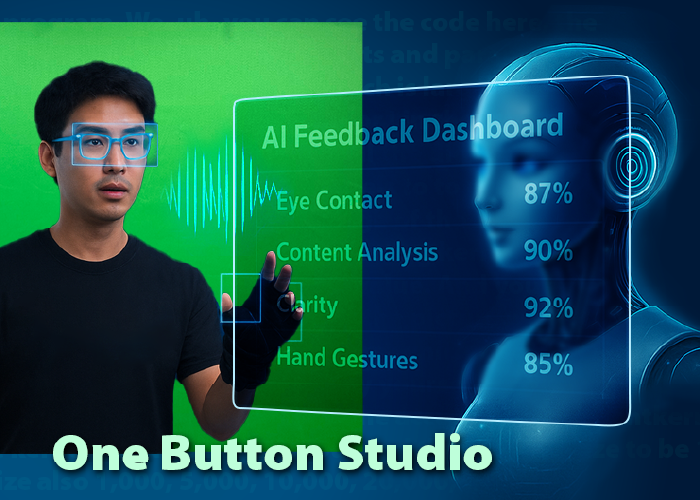
NinjOrAItor – AI Presentation Coach
Launched in October 2025, NinjOrAItor brings real-time AI feedback to One Button Studios on 3/F. For more details, click here.
-
AI-Assisted LCSH Assignment for E-Resources
We now use the ChatGPT model to quickly assign Library of Congress Subject Headings (LCSH) and call numbers to e-resources, based on their titles and summaries. This helps to speed up the cataloguing process and makes it easier for you to find and access materials in the Library collection.